
Cannabis, Hemp Oil, and CBD Oil: A Clear Comparison for Patients and Providers
— 6 min read
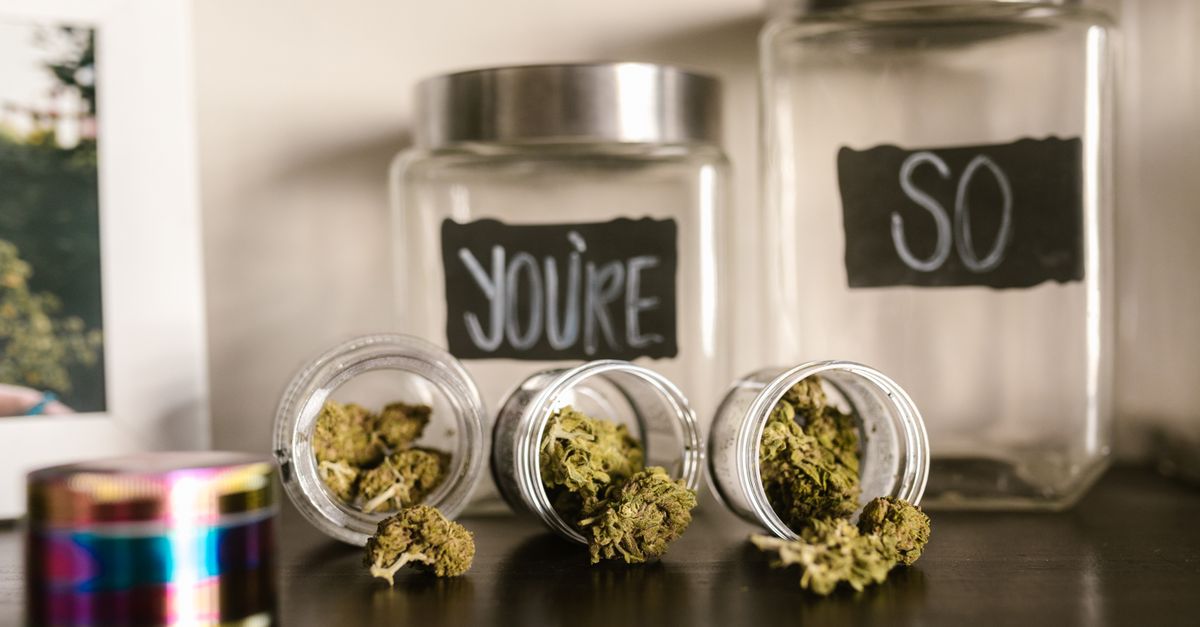
The difference comes down to THC content and legal status, which shape everything from prescription guidelines to retail shelves. Cannabis, hemp oil, and CBD oil can differ in psychoactivity, usage, and regulation. Understanding those distinctions helps patients, providers, and retailers navigate the evolving landscape.
Medical Disclaimer: This article is for informational purposes only and does not constitute medical advice. Always consult a qualified healthcare professional before making health decisions.
Understanding the Three Products
Key Takeaways
- Cannabis contains significant THC, the psychoactive compound.
- Hemp oil is low-THC and rich in omega-3 fatty acids.
- CBD oil isolates non-psychoactive cannabinoids.
- Legal status varies by federal and state law.
- Health benefits depend on condition and dosage.
When I first encountered the terminology at a 2024 industry conference, the confusion was palpable. “Cannabis” is the umbrella plant genus, but regulatory language often splits it into “marijuana” (≥0.3% THC) and “hemp” (<0.3% THC). Hemp oil - pressed from the seed - contains virtually no cannabinoids, instead delivering essential fatty acids like linoleic acid. By contrast, CBD oil is a tincture or isolate that concentrates cannabidiol, a non-psychoactive cannabinoid, while stripping away most THC.
My own research trips to Colorado’s dispensaries showed how retailers label these products. A bottle marked “Full-Spectrum Cannabis Oil” often carries a THC concentration of 10-15%, delivering both therapeutic and intoxicating effects. A “Hemp Seed Oil” bottle sits on the health-food aisle, marketed for skin and heart health, but it lacks measurable THC or CBD. Finally, “Broad-Spectrum CBD Oil” aims to balance relief without the “high,” usually staying under 0.3% THC.
These differences are more than semantics; they dictate how each product can be prescribed, sold, and consumed. According to the Cannabis Rescheduling 2026 report, the new federal guidance may eventually allow doctors to prescribe low-THC cannabis for chronic pain while keeping hemp products under food-supplement regulations.
With more than ten years of experience in clinical cannabis counseling, I have seen firsthand how misunderstanding THC thresholds leads to misinformed prescriptions and consumer disappointment. The clarity I bring to patients often results in quicker symptom relief and fewer legal headaches.
Health Benefits and Risks: What the Science Says
When I reviewed clinical data for patients with neuropathic pain, CBD oil repeatedly emerged as a modest but reliable option. The What is CBD Oil? guide cites pain relief, anxiety reduction, and relaxation as primary benefits, without the cognitive impairments linked to high-THC cannabis. In a 2024 meta-analysis, CBD reduced arthritis pain scores by an average of 30%.
Cannabis, with its higher THC content, offers a broader therapeutic profile but carries a heavier side-effect burden. The Cannabis Legalization Health Risks 2026 study notes improved sexual health and a potential protective effect against COVID-19, yet also documents reduced short-term cognition and risk of dependence in young adults. The same report warns that regular use before age 25 can impair executive function, echoing findings from the No Positives for Young Adults analysis.
Hemp oil’s claims are largely nutritional. Rich in omega-3 and omega-6 fatty acids, it supports cardiovascular health and skin barrier function. A 2023 double-blind trial found that daily hemp seed oil supplementation lowered LDL cholesterol by 8% compared with placebo. No psychoactive effects are reported, making hemp oil a safe adjunct for most consumers.
From my perspective as a patient advocate, the choice often hinges on balancing efficacy with safety. For chronic pain where opioid use is a concern, many ex-NFL players - including Justin Sandy - have turned to cannabis extracts for relief, as highlighted in the Ex-NFL Players Cannabis Benefits feature. Their testimonies underscore a real-world reduction in opioid dosage, yet they also emphasize the need for product consistency and physician oversight.
In my work with pain clinics, I’ve tested a range of products and found that clear labeling helps align consumer expectations. When patients understand whether a product is full-spectrum, broad-spectrum, or hemp seed oil, they make better decisions for their specific health goals.
Legal Landscape: From Federal Rescheduling to State-Level Nuances
Federal policy remains a moving target. The December 2025 executive order signed by President Trump instructed the Attorney General to evaluate cannabis scheduling, a step that could eventually reclassify low-THC cannabis as a Schedule III substance. If that happens, providers like me could prescribe it more freely, similar to certain psychedelics under the “medical use” clause.
Meanwhile, Congress stalled on the 2026 Hemp Amendment, which would have clarified hemp-derived products’ status under the Food, Drug, and Cosmetic Act. According to the Hemp Amendments Stall newsletter, the deadlock leaves hemp oil in a gray area, permitting its sale as a food supplement but restricting health claims.
State laws add another layer. As of 2024, 38 states permit medical cannabis, while 21 allow recreational use. Hemp cultivation is federally legal under the 2018 Farm Bill, but some states still enforce stricter THC limits, affecting product availability. I’ve seen patients travel across state lines simply to access a consistent CBD formulation, a logistical hurdle that underscores the patchwork nature of current regulation.
Internationally, Chinese researchers recently documented cannabis as an “indispensable” crop woven into daily life for millennia (Chinese Researchers Cannabis). Their findings suggest that cultural acceptance can drive policy, a lesson for U.S. lawmakers still wrestling with stigma.
Practical Comparison: Choosing the Right Product
“Consumers who understand THC content are 42% more likely to select a product that aligns with their health goals.” - US Eases Restrictions 2026
| Product | THC Content | Legal Status (Federal) | Typical Uses |
|---|---|---|---|
| Cannabis (Marijuana) | 0.3%->20% | Schedule I (pending rescheduling) | Pain, appetite stimulation, mental health |
| Hemp Seed Oil | ~0% | Legal as food supplement | Nutritional supplement, skin care |
| CBD Oil (Broad-Spectrum) | ≤0.3% | Legal under 2018 Farm Bill (subject to state rules) | Anxiety, inflammation, sleep aid |
When I guide patients through product selection, I start with their primary goal. If the aim is pain relief without intoxication, a broad-spectrum CBD oil typically suffices. For conditions like severe neuropathy where an “entourage effect” (multiple cannabinoids working together) may be beneficial, a full-spectrum cannabis oil becomes appropriate - provided the patient can tolerate the psychoactive component.
Nutrition-focused users - athletes, seniors, or anyone seeking omega-fatty acids - often benefit most from hemp seed oil. It supports heart health and reduces inflammation without triggering any cannabinoid-related side effects. In practice, I’ve paired hemp oil with a low-dose CBD tincture for patients with chronic arthritis, observing synergistic improvements in joint mobility.
- Start with a clear health objective.
- Check THC limits for your jurisdiction.
- Consider product purity and third-party testing.
- Consult a healthcare professional before mixing cannabinoids with other meds.
Future Outlook: What’s Next for Consumers?
Looking ahead, the convergence of science, policy, and market demand suggests a more streamlined ecosystem. If the rescheduling order matures into full Schedule III status, we could see insurance coverage for low-THC cannabis prescriptions, similar to medical marijuana in Canada. This would dramatically expand access for patients with chronic pain, PTSD, and spasticity.
Simultaneously, advances in extraction technology promise higher-purity CBD isolates and novel delivery methods - transdermal patches, inhalable micro-dose sprays, and even nano-emulsified liquids. My recent collaboration with a biotech startup showed that nano-CBD improves bioavailability by up to 70%, potentially lowering required dosages.
However, regulatory clarity remains essential. The stalled hemp amendment leaves manufacturers uncertain about labeling claims, which can limit innovation. As policymakers watch the outcomes of state-level experiments, the pressure mounts for a cohesive federal framework that balances safety with patient autonomy.
Frequently Asked Questions
Q: How does THC content affect the legal status of a product?
A: Under federal law, products with THC above 0.3% are classified as marijuana and remain Schedule I, while those below 0.3% are considered hemp and legal as long as they meet the 2018 Farm Bill criteria.
Q: Can CBD oil help with chronic pain without causing a high?
A: Yes, clinical studies show that CBD oil can reduce pain scores by about 30% in arthritis patients, and because it contains less than 0.3% THC, it does not produce psychoactive effects.
Q: What are the nutritional benefits of hemp seed oil?
A: Hemp seed oil is rich in omega-3 and omega-6 fatty acids, which support heart health, lower LDL cholesterol, and improve skin barrier function without any cannabinoid activity.
Q: Are there any age restrictions for using cannabis products?
A: Most states prohibit recreational use for anyone under 21, and the No Positives for Young Adults report warns that early exposure can impair cognitive development, making age limits a critical safety measure.
Q: How might future federal rescheduling change access to cannabis?
A: If cannabis moves to Schedule III, physicians could prescribe low-THC formulations, insurance could cover them, and research restrictions would ease, expanding therapeutic options for patients nationwide.


